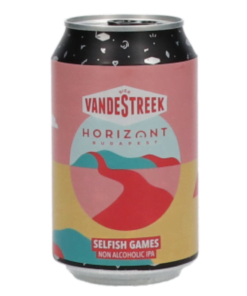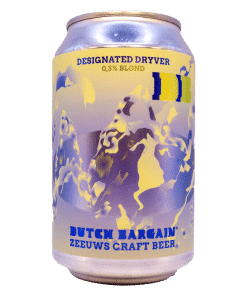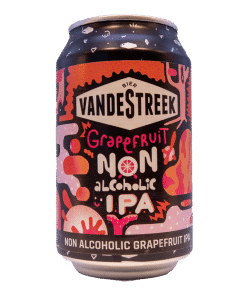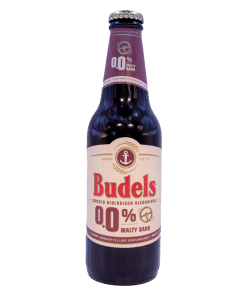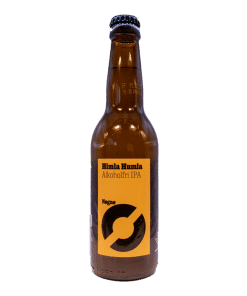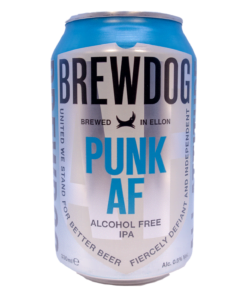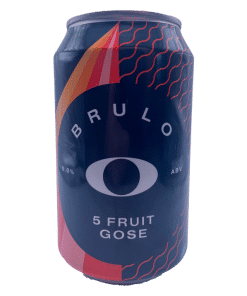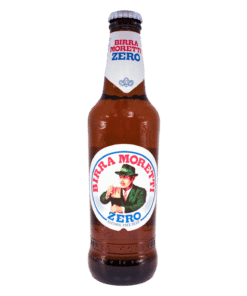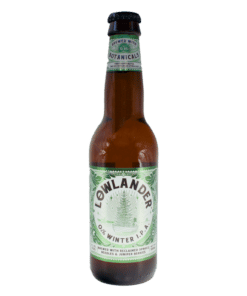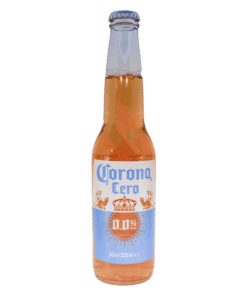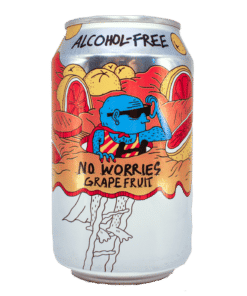

Alcohol-free craft beer
Non-alcoholic beer is also known as malt beer in the Netherlands. For a long time, there was a sort of taboo surrounding the consumption of non-alcoholic beer, as the taste often left a lot to be desired.
With the arrival of Radlers, non-alcoholic beers have really taken off. In the Netherlands, a beer is considered alcohol-free if it contains less than 0.1 per cent alcohol. There are beers with 0.0% and beers with a very low alcohol content; in our online shop, you’ll only find beers with less than 0.5% alcohol – also known as the international standard for alcohol-free. This is mainly down to the brewing process. The growing popularity of non-alcoholic beer is also reflected in trends such as Dry January and Stoptober.
The quality of the brewing process also determines the quality of the beer; there are now a large number of craft brewers who have mastered the art of alcohol-free brewing and thus offer delicious, alcohol-free alternatives. Alcohol-free beer is now just as flavourful as its alcoholic counterpart. As there is no alcohol in the beer, it also contains far fewer calories. In short, it is a flavourful and healthier alternative. In our online shop, you will find a wide selection of high-quality alcohol-free speciality beers.